
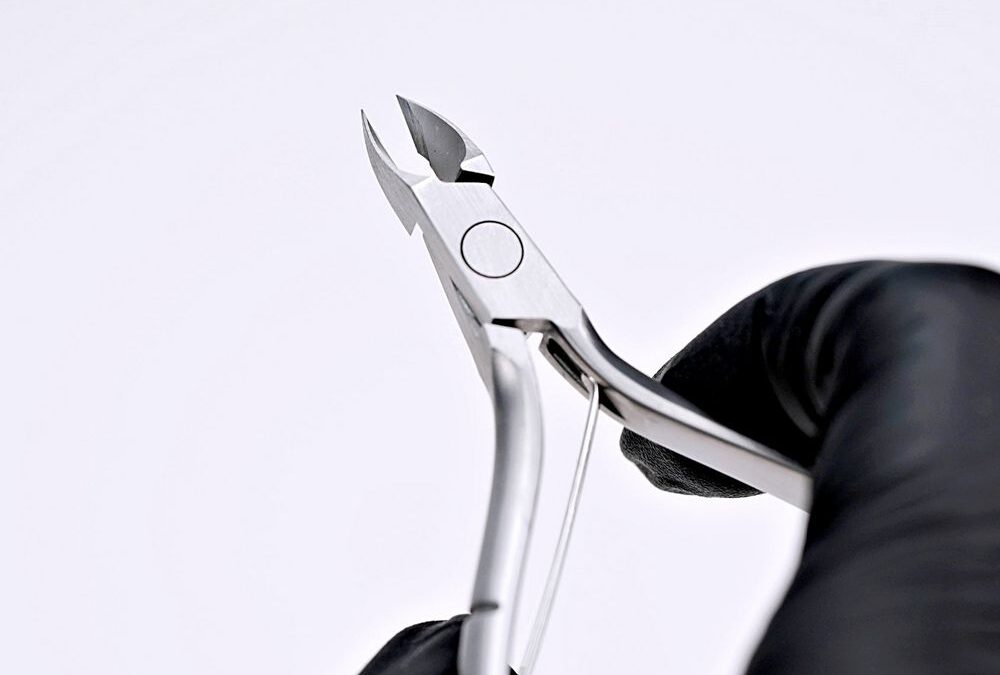
Definition: a jaw cuticle nipper technique is a focused, repeatable way to use a small, hand-held nipper to remove dead skin and tidy the nail fold with precision and safety.
How can you prep quickly and still stay safe?
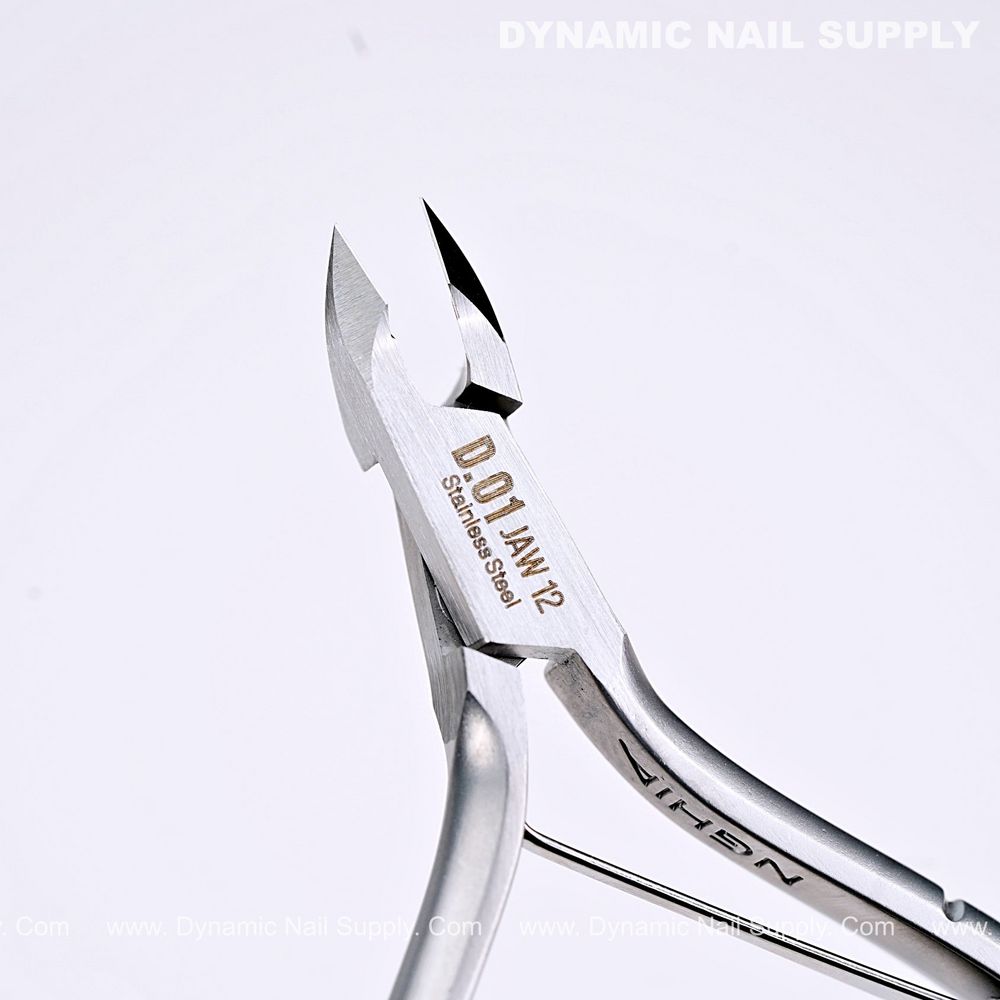
When you have only a few minutes between appointments or before an event, start with a clean, dry workspace and gather just the essentials: the D01 12 Professional Stainless Steel nipper, an orange stick or push tool, a gentle cuticle softener or warm water, and a towel. The polished silver finish and clinical look of this nipper make it easy to see the tool in your hand and focus on the cutting edge, so keep lighting neutral and bright. Spend no more than three minutes soaking or softening — the goal is to loosen only the dead skin you plan to remove, not to over-hydrate the live cuticle. Wipe the area dry; a slightly damp surface helps you see the edge of the dead skin more clearly.
What grip and angle make the D01 12 most effective?
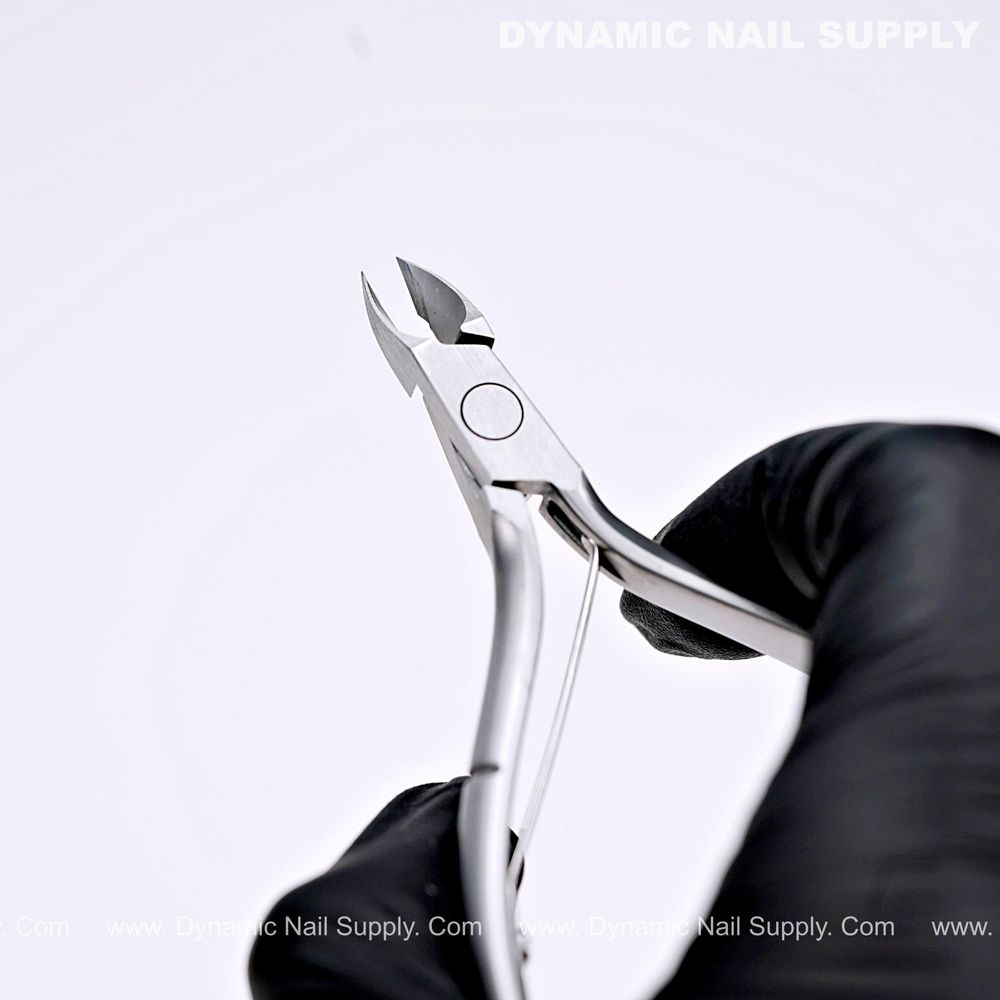
Hold the D01 12 cuticle nipper between thumb and middle finger with your index finger resting gently on the handle for control; the ergonomic curve of the handles is designed to reduce hand fatigue so this grip feels balanced even when you’re rushing. Approach the skin with the blades open at a shallow angle — roughly 30 degrees to the nail plate — so the optimized cutting blades make small, decisive bites of dead skin rather than one sweeping cut. Keep your wrist steady and use the smooth spring action of the tool to let the blades do the work, closing only as far as necessary for each little trim.
Which steps should you follow for a streamlined trimming pass?
Work nail by nail in short, planned passes. First, use your push tool to lift the thin edge of dead skin away from the nail fold. Then bring the D01 12 in close and make a tiny snip at the free edge of that lifted tissue. Move from one side of the nail to the other instead of trying to clear the whole fold at once, so you’re making controlled cuts and keeping sightlines clear. For light trimming around most nails, the quarter jaw size of this D01 12 variant is ideal because it’s sized for delicate, precise work — especially if you are short on time and need accuracy over volume.
When should you stop trimming to avoid over-cutting?
Stop whenever the skin changes from thin, white dead tissue to pink or shiny live tissue; that change is the clearest visual cue that you’ve reached the living cuticle. If you feel resistance, tugging, or the client (or you) report sharp sensation, pause immediately. The optimized blade on the D01 12 makes very clean cuts, so you rarely need to repeat passes in the same spot. Resist the impulse to keep trimming to chase a cosmetic perfection; in a rush, aim for safe, neat removal rather than a surgically perfect edge.
How do you finish quickly but leave a polished base?
After trimming, lightly buff any roughness with a fine buffer and remove dust with a soft brush or wipe. Apply a thin layer of cuticle oil or barrier cream to restore moisture; this step shouldn’t take more than 30 seconds but it prevents the trimmed area from drying out and looking ragged. For a salon-style finish that reads clinical and crisp, leave the nails short and neutral or apply a fast-dry clear topcoat if you need a glossy look. The chrome-like polish of the nipper itself visually reinforces a clean, professional outcome, so a minimalist finish pairs well when time is limited.
What are essential hygiene and handling notes even on a busy day?
Always disinfect the nipper before and after use; the D01 12 is made from surgical-grade stainless steel and is compatible with common sterilization processes. Wipe the blades with a disinfectant wipe or use an approved solution, and follow your usual autoclave routine when you have time. Inspect the blades quickly for burrs or nicking before each use; a small visual check prevents catching and tearing. Store the nipper in its protective packaging or a clean tool tray to keep the polished finish free of contaminants.
Which small mistakes should you never skip correcting?
Never skip checking blade alignment and sharpness before you trim, because dull or misaligned blades are the most common reason for pinching or tearing skin when you’re moving fast. Also never skip a brief softening step; trimming fully dry skin increases the chance of accidental cuts. Finally, never leave a trimmed area unprotected — even a quick swipe of oil reduces inflammation and speeds visual recovery.
Quick troubleshooting in one breath
- If the tool tugs: pause and inspect the blades for dullness or debris.
- If you cut too deep: apply pressure to stop bleeding and use a clean barrier cream; seek professional help if bleeding persists.
- If visibility is poor: re-position the hand or use a loupe or stronger light rather than guessing the cut.
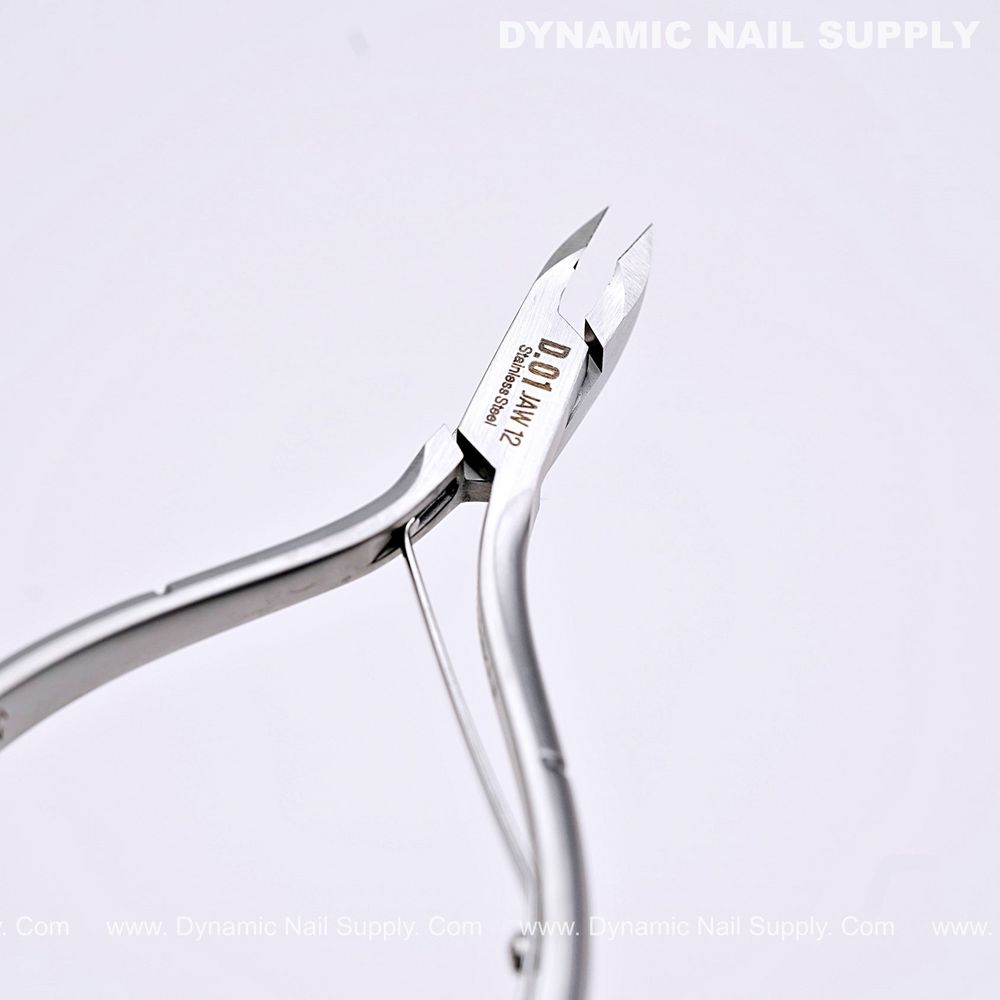
For consistent short-session use, the combination of the D01 12’s ultra-sharp hand-filed blades, visible spring action, and ergonomic handles makes a focused routine repeatable and safe. Keep the polished metal clean so reflections and edges stay easy to read under your lamp.
How can you set up a fast five-minute session?
- Sanitize tools and hands (30–45 seconds).
- Soften cuticle briefly with warm water or a remover (90 seconds).
- Push back and lift dead skin (30 seconds).
- Small, controlled snips with the D01 12 across the nail fold (60–90 seconds).
- Buff lightly and apply oil or cream (30 seconds).
Use this sequence as your rushed workflow: it prioritizes visibility, control, and aftercare so you get neat results without unnecessary risk.
For the actual product page and ordering details, see https://dynamicnailsupply.com/products/d01-jaw-12-professional-stainless-steel-cuticle-nippers-with-optimized-blade-for-dead-skin
Checklist Recap
- Clean workspace and disinfect tools.
- Softening step — brief and targeted.
- Controlled push, then tiny snips at a shallow angle.
- Stop at pink tissue; avoid chasing perfection.
- Buff lightly and apply oil immediately.